
Human Trafficking
Strategies to enhance The Trafficking Victims Protection Act of 2000.


The prohibition of human trafficking in the United States of America has its roots in the 13th amendment of the U.S. Constitution, which barred slavery and involuntary servitude in 1865. The States has since then introduced bills to curb human trafficking. Despite these bills, human trafficking has severely increased in the nation.
The Trafficking Victims Protection Act of 2000 is one of the bills passed by the U.S. government equipped with new tools and resources for comprehensive and coordinated campaigns to eliminate modern forms of slavery domestically and internationally.
TVPA has been updated and reauthorized five times, most recently in January 2019 with bipartisan support. This bill is the foundation of the 3Ps- Prevention, Protection, and Prosecution. In 2000, the bill was amended for the 9th time at the end of the 115th Congress. Four different bills were passed to address trafficking, assist survivors, and ensure a comprehensive government response and collaboration with the state and local governments.
The four bills compromising the most recent reauthorization of the TVPA are as follows:
● H.R. 2000, the Frederick Douglass Trafficking Victims Prevention and Protection Reauthorization Act of 2018, sponsored by Rep. Chris Smith (R-NJ) and Rep. Karen Bass (D-CA).
● S. 1311, the Abolish Human Trafficking Act of 2017, sponsored by Senator John Cornyn (R-TX) and Senator Amy Klobuchar (D-MN).
● S. 1312, the Trafficking Victim Protection Act of 2017, sponsored by Senator Chuck Grassley (R-IA)
● S. 1862, the Trafficking Victims Protection Reauthorization Act of 2017, sponsored by Senator Bob Corker (R-TN) and Robert Menendez (D-NJ)
- A total of 2,198 persons were referred to U.S. Attorneys for human trafficking offenses in the fiscal year 2020, a 62% increase from the 1,360 persons referred in 2011.
- The number of persons prosecuted for human trafficking increased from 729 in 2011 to 1,343 in 2020, an 84% increase.
- The number of persons convicted of a federal human trafficking offense increased from 2011 (464 persons) to 2019 (837 persons), before falling in 2020 (658 persons).
Of the 1,169 defendants charged in U.S. district court with human trafficking offenses in the fiscal year 2020—
- 92% were male
- 63% were white
- 18% were black
- 17% were Hispanic
- 95% were U.S. citizens
- 66% had no prior convictions.
At the year-end of 2020, for the 47 states that reported data, 1,564 persons were in the custody of a state prison serving a sentence for a human trafficking offense.
Why human trafficking activities have increased and what are the potential challenges?
- Identifying Victim:
Identifying victims is one of the challenging issues to tackle because of the hidden nature of the crime sometimes. It is not easy to identify if someone has been trafficked. Many of them are international victims who are brought into the country illegally; with traffickers using illegal entry as a form of control. Both international and domestic victims are often controlled by their traffickers and not allowed much movement, disabling any visible evidence of being a victim of human trafficking.
- Obstacles to Victim Self-Identifying
Many victims feel difficulty in identifying themselves as a victim of human trafficking, mainly because of threats from traffickers, fear of repercussion, law enforcement, and government. Few of them may not even be aware that they are victims according to state and federal law.
- Law Enforcement Perceptions towards Victims
Training is key to identifying human trafficking victims correctly and reducing misidentification. Marguerite Hernandez in her study mentions that law enforcement would bust (a massage parlor) and find women there. They would arrest them under charges of prostitution and that's the end. But moving further might not identify them as a victim of human trafficking.
- Role of the Public in Identifying Victims
The public does not have in-depth knowledge of human trafficking. This results in victims being stigmatized by the members of the people.
- Government Contracts involving Human Trafficking
Many times governments are involved in working with countries that are involved in human trafficking. Recently published Government Accountability Office (GAO) reports, as well as annual Defense Department Inspector General (IG) reports, show that human trafficking tragically still exists in overseas government contracts.

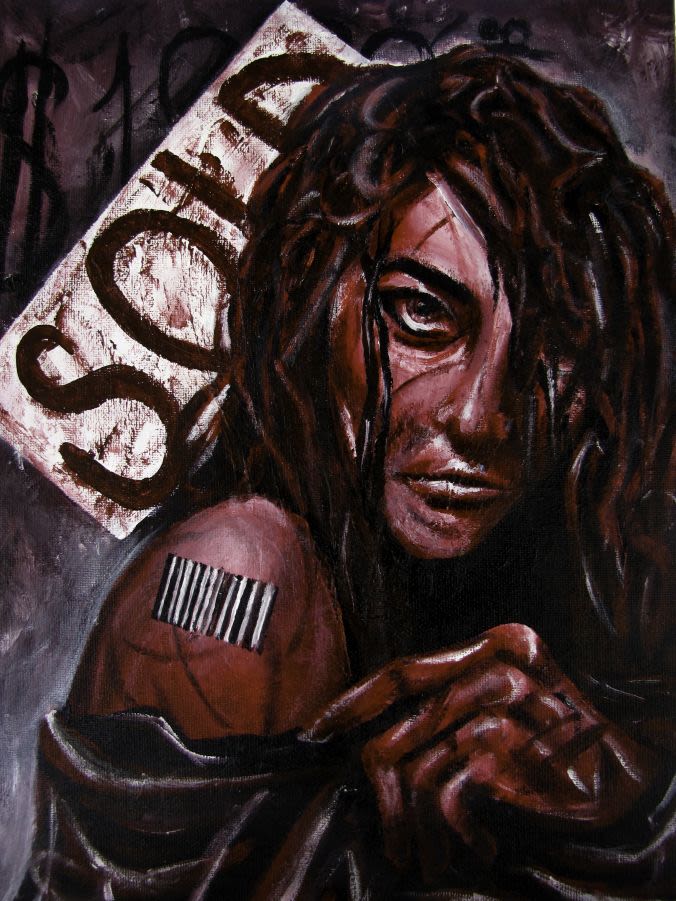
Image Credits: Unknown
Image Credits: Unknown


Image Credits: Global Giving
Image Credits: Global Giving

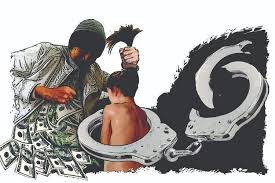
Image credits: Unknown
Image credits: Unknown


Sold, from The Red Bar Code series
Sold, from The Red Bar Code series


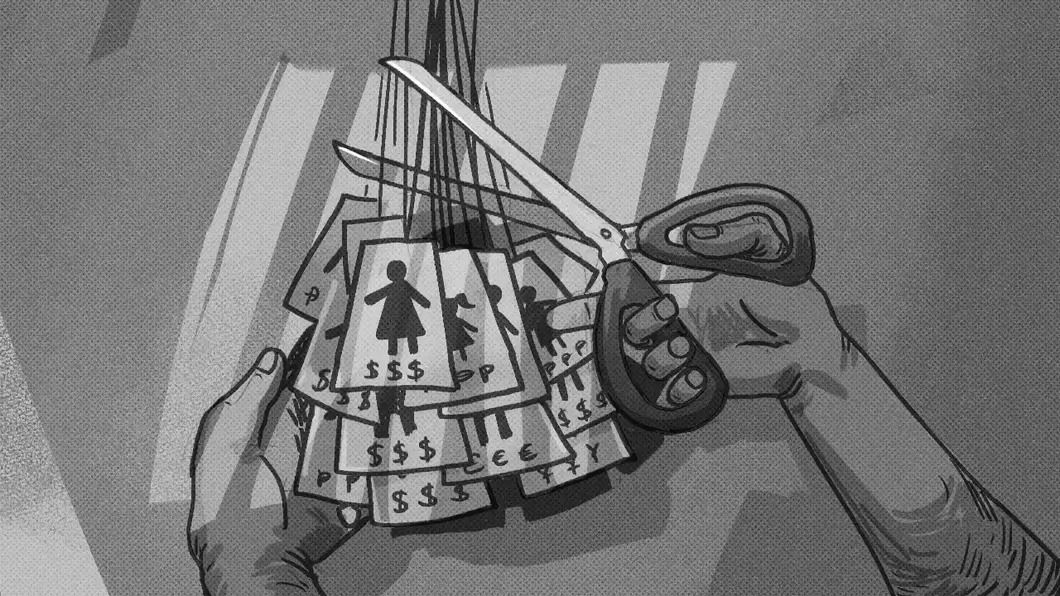
Diamonds by Myra
Diamonds by Myra
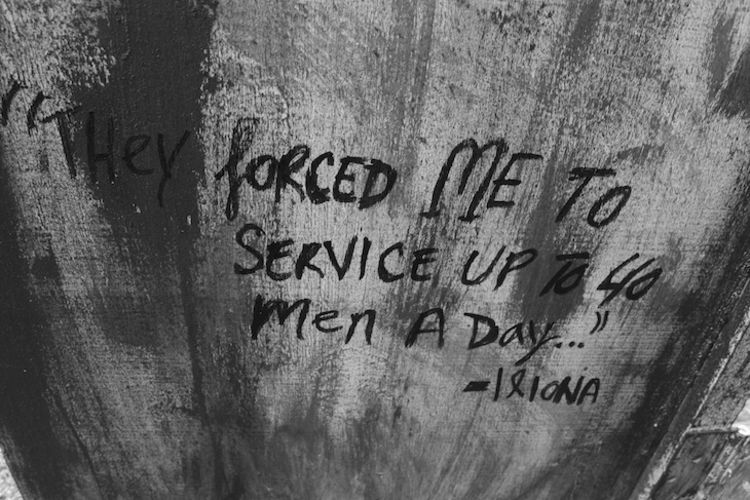
"They forced me to service up to 40 men a day."



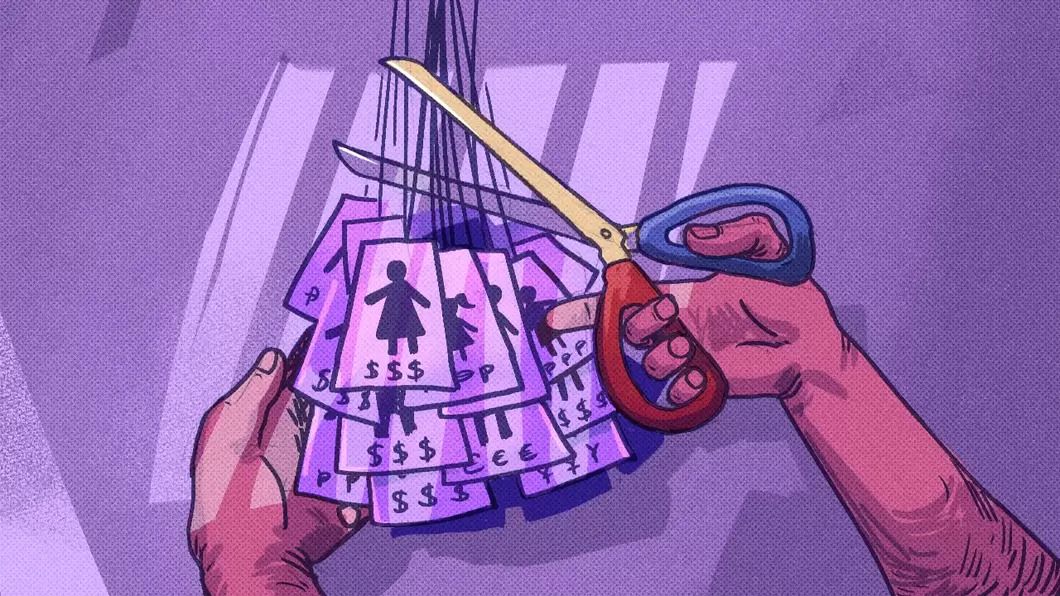
Solutions to Tackle Challenges
1. Capacity to identify victims: Within a year of introducing this strategy, the DOJ with help of human rights entities and other government entities will develop human trafficking victim screening forms and protocols.
2. Government contracts should not contribute to human trafficking: Within six months of introducing this strategy, the U.S. government will stop working with contractors involved in human trafficking.
3. Prevent arrests before investigation: Police officers should not conduct inappropriate arrests during the crackdown on human trafficking without identifying whether the person/s is trafficked or is a trafficker.
4. Fund training to educate the public about human trafficking: Within a year of introducing this strategy, the government in collaboration with NGOs should launch programs to raise awareness about human trafficking and encourage them to identify a victim and treat them appropriately. This will also encourage some victims to come forward and identify themselves.
5. Task forces: Within a year of introducing this strategy, the DOJ will launch a task force to investigate human trafficking in target areas.
Sources: U.S. Department of Justice; Statement of U.S. Senator of Oklahoma; National Strategy to Combating Human Trafficking, U.S Department of Justice; Government Executive; Human Trafficking Data Collection Activities, 2022; ASPE; Challenges to Combating Human Trafficking; Police Perception of Human Trafficking, Tara, The Pennsylvania University.
 Built with Shorthand